
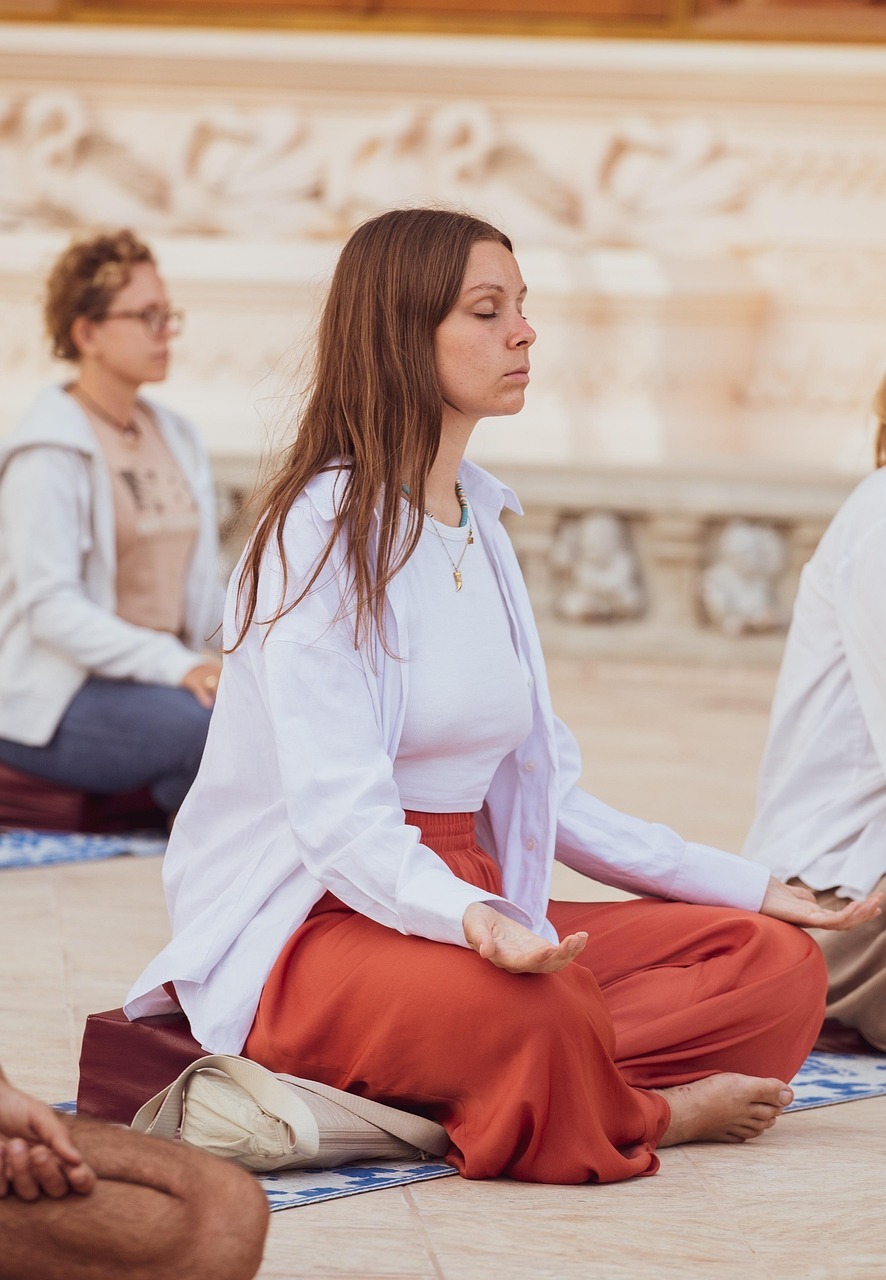
Sometimes, learning meditation begins with a remote control. Yes, a remote control.
The other day, I was all set for a big show at home. I pressed the TV remote—nothing. Pressed again—still nothing. I turned it sideways, shook it, pressed harder… and finally opened it up, only to discover the batteries had been removed. No wonder it wasn’t working!
That little fiasco made me think of how often we try to “change” something in our lives without realizing the power isn’t connected—without our energy fully engaged. Just like a remote with no batteries, we can’t expect results if we aren’t fully “powered up.”
The Energy of Body, Mind, and Spirit
In Unity, we recognize three primary sources of energy:
- Physical: Nourished by food, movement, and exercise.
- Mental: Fuelled by learning, reflection, and contemplation.
- Spiritual: Sustained by prayer, meditation, and communion with the Divine.
Meditation, in particular, helps us tap into spiritual energy—the power that connects us to the Divine Mind.
What Meditation Really Is
Charles Fillmore described meditation as entering a state of silence to listen for inspiration from God. H. Emile Cady, in Lessons in Truth, emphasizes that meditation is deeply personal—there are as many ways to meditate as there are meditators. The key is to find what works for you.
Simply put: Prayer is talking to God. Meditation is listening. Both are essential.
Humor in Meditation
Many beginners experience amusing—and relatable—challenges when meditating. I remember my early days as a beginner. I would sit quietly, only to be interrupted by a sudden itch, a leg falling asleep, or a stray thought about the groceries. Visualizing a candle flame sometimes led me straight to picturing the inside of my refrigerator.
This is perfectly normal. Meditation is not about perfection; it’s about gently bringing your focus back to stillness again and again.
The Science of Silence
Meditation isn’t just spiritual—it’s neurological. Research shows that silence and meditation can literally reshape the brain. Periods of quiet allow the brain to integrate information, regenerate neurons, reduce stress, and enhance clarity. Even short daily meditation sessions can make a measurable difference in emotional regulation and mental health.
Getting Started: A Gentle Guide
Here are practical steps to build your meditation practice:
- Create Your Quiet Space: Choose a time and place where you won’t be disturbed—morning, lunch break, or evening.
- Comfortable Position: Sit or lie comfortably. Close your eyes and take a few slow, deep breaths.
- Focus Your Mind: Use an affirmation, a visualization, or a simple attention on the breath. For example:
- “I am at peace.”
- “Be still and know that I am God.” (Psalm 46)
- Gentle Redirection: When thoughts drift (and they will), gently return your attention to your focus point. No judgment—this is part of the practice.
- Short Sessions First: Start with 5–10 minutes, then gradually extend your time. Consistency matters more than duration.
Visualization Exercise
Imagine stepping outside to a peaceful meditation garden. Feel the sun’s warmth, hear the gentle sounds of nature, smell the flowers in the breeze. Sit on a comfortable bench and feel the energy of life surrounding you. Allow yourself to breathe deeply and rest in the quiet. Let your senses absorb this peaceful moment.
This simple visualization reconnects you with the stillness within—your “inner batteries.”
Meditation for Daily Life
Meditation is more than a seated practice. It teaches us to:
- Reconnect with our inner wisdom.
- Respond thoughtfully instead of reacting impulsively.
- Extend calm and compassion into everyday interactions.
Think of it as recharging your spiritual, mental, and emotional batteries—so your actions flow from clarity and love rather than fatigue or stress.
One-Week Challenge
To experience the benefits of meditation, try this one-week challenge:
- Find a daily quiet time, even if just 5–10 minutes.
- Sit comfortably, focus on your breath or a simple affirmation.
- Notice how your energy, mood, and clarity shift over the week.
Affirmations for Meditation Practice
To help anchor your practice, try one of these affirmations:
- “There is one presence and power in my life, God the Good.”
- “I have the power within to overcome any obstacle.”
- “When I change my thoughts, I change my world.”
Meditation is a journey, not a destination. Each session, no matter how brief or imperfect, reconnects you with your inner peace, divine guidance, and true self.