Modern technology has made life more convenient than ever before. We can work, shop, communicate, and entertain ourselves without leaving our chairs. Yet behind this convenience lies a growing health crisis many experts now describe as Sedentary Death Syndrome, or SeDS.
Sedentary Death Syndrome is not a single disease, but a term used to describe a wide range of chronic illnesses and metabolic disorders strongly linked to physical inactivity and prolonged sitting. Researchers have connected sedentary lifestyles to more than 30 chronic health conditions, making inactivity one of the greatest preventable threats to modern health.
The Body Was Designed to Move
The human body was built for motion. Every major system — cardiovascular, muscular, lymphatic, digestive, hormonal, and even neurological — depends on regular movement to function properly.
When movement becomes limited for long periods, the body begins to adapt in unhealthy ways. Metabolism slows, circulation weakens, muscles deteriorate, and inflammation increases. Over time, these changes can contribute to serious disease.
Unlike injuries caused by overuse, Sedentary Death Syndrome is considered a hypokinetic condition, meaning it develops from too little movement rather than too much.
In many ways, the body begins to “shut down” when movement disappears from daily life.
Diseases Linked to Chronic Sitting
Research has linked prolonged inactivity and excessive sitting to a wide range of chronic conditions, including:
- Heart disease
- High blood pressure
- Type 2 diabetes
- Obesity
- Stroke
- Osteoporosis
- Certain cancers
- Depression and anxiety
- Chronic fatigue
- Poor circulation
- Muscle degeneration
- Back and joint pain
- Cognitive decline and dementia
Some studies have even found that prolonged sitting may increase mortality risk even in people who exercise regularly if they remain sedentary for most of the day.
In other words, one hour at the gym cannot fully undo ten hours in a chair.
What Happens Inside the Body?
When the body remains inactive for long periods, several harmful changes can occur:
Slower Metabolism
Calories are burned less efficiently, and blood sugar regulation becomes impaired. This increases the risk of weight gain and insulin resistance.
Poor Circulation
Blood flow slows, especially in the legs, increasing the risk of swelling, varicose veins, and blood clots.
Muscle Breakdown
Without regular use, muscles weaken and shrink. Core strength declines, posture worsens, and joint stability decreases.
Reduced Lymphatic Flow
The lymphatic system depends on movement and muscle contractions to circulate fluids and remove waste products from the body. Inactivity can slow this natural cleansing process.
Increased Inflammation
Chronic inactivity has been associated with elevated inflammatory markers, which are linked to many degenerative diseases.
Mental and Emotional Effects
Movement also affects brain chemistry. Physical activity helps regulate mood, memory, stress hormones, and mental clarity. Sedentary behavior has been associated with increased rates of depression and anxiety.
Sitting: The New Smoking?
Some health experts have gone so far as to call prolonged sitting “the new smoking.” While the comparison is debated, the message is clear: excessive sitting has become a major public health concern.
Office jobs, screen time, long commutes, and digital entertainment have dramatically reduced daily movement compared to previous generations. Many people now spend most of their waking hours seated.
The problem is not simply lack of exercise — it is the absence of continual movement throughout the day.
Small Movements Matter
The encouraging news is that Sedentary Death Syndrome is largely preventable.
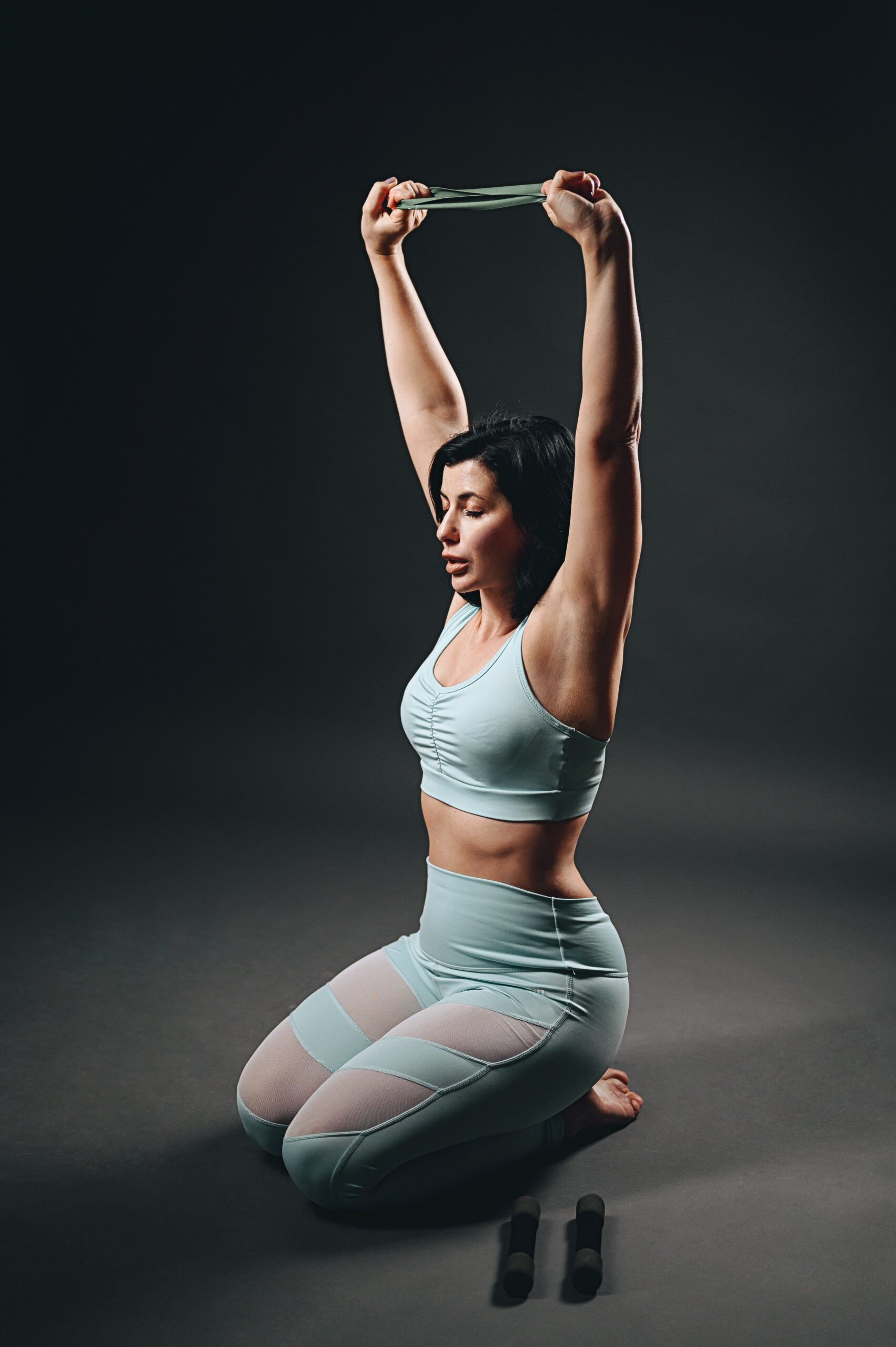
The body responds remarkably quickly to movement, even gentle movement. Walking, stretching, gardening, dancing, housework, yoga, tai chi, and standing more often can all help counteract the harmful effects of prolonged sitting.
Experts often recommend:
- Standing and stretching every 30–60 minutes
- Taking short walking breaks throughout the day
- Using stairs when possible
- Practicing regular mobility exercises
- Spending time outdoors
- Incorporating movement into daily routines instead of relying only on workouts
Even modest increases in activity can improve circulation, metabolism, energy, and mood.
Movement as Medicine
Exercise is often viewed as something optional or cosmetic, but movement is far more fundamental than that. It is one of the body’s primary healing mechanisms.
Movement stimulates circulation, supports detoxification, nourishes the brain, strengthens the heart, balances hormones, improves sleep, and enhances emotional well-being.
The human body thrives on motion.
Sedentary Death Syndrome serves as a reminder that health is not only shaped by what we eat or the medicines we take, but also by how much we move through life each day.
Sometimes the simplest medicine is also the most natural: stand up, stretch, breathe deeply, and move the body the way nature intended.