
30 Things to Do With Your Aging Parents While You Still Can
There comes a moment in adulthood when you notice it.
Your father walks a little slower to the car.
Your mother repeats a story she once told effortlessly.
The people who once carried you now pause before climbing stairs.
And quietly, almost without warning, your parents become old.
We spend much of our lives assuming there will always be more time — another Sunday dinner, another phone call, another holiday, another ordinary afternoon. But ageing has a way of changing the math without telling us. Suddenly, time feels fragile.
The tragedy is not only that our parents leave us someday. It’s that many of us don’t truly see them until we realize they won’t always be here.
Not just as “Mom” or “Dad,” but as people.
People who once had wild ambitions, impossible dreams, heartbreaks, fears, inside jokes, and entire lives before we entered the picture.
If you’re lucky enough to still have your parents with you, now is the time to collect what matters most: their stories, their laughter, their wisdom, and their presence.
Not someday. Now.
Capture the Ordinary
We take thousands of photos of vacations, birthdays, and milestones. Yet the images that become most precious are usually the simplest ones.
Record your parents telling a story. Capture their voice while you still can — the cadence, the pauses, the familiar way they laugh halfway through a sentence. One day, hearing that voice again will feel like finding treasure.
Film them laughing naturally. Not posing for the camera, but genuinely laughing at dinner or teasing someone across the room. Those are the moments that survive grief.
Take photos of ordinary days. Your dad watering plants. Your mom reading in her chair. A quiet afternoon in the kitchen. The ordinary moments become sacred later.
Photograph their hands. Those hands built your childhood. They held bike seats, packed lunches, paid bills, and comforted fears. Time changes hands more visibly than faces.
And save their handwriting — a recipe card, a signed note, even their grocery list. Handwriting disappears faster than we realize, and somehow carries a person’s spirit with it.
Ask the Questions Before It’s Too Late
Many people lose their parents carrying unanswered questions they assumed there would always be time to ask.
Ask them about the happiest day of their life. Ask what they dreamed of becoming before responsibilities reshaped their future.
You may discover that your mother wanted to travel the world. That your father once dreamed of being an artist, a pilot, a musician, or an athlete.
Ask them what the hardest season of their life was. Parents often carry burdens silently so their children can grow up feeling safe. Understanding their struggles may deepen your compassion for them in ways you never expected.
Ask how they fell in love. Ask what scared them when they became parents. Ask what they would change if they could start over.
Not to judge them — but to finally understand them.
Because eventually, family history disappears with the people who lived it.
Give Them Your Presence
Modern life has trained us to confuse attention with presence.
We sit beside people while scrolling through screens. We call while multitasking. We listen halfway.
But ageing parents don’t need perfect conversations. Often, they simply want your company.
Sit with them without distractions. No television. No phone. Just shared silence.
Go for a slow walk and match their pace instead of rushing ahead. The world looks different when you stop hurrying through it.
Hold their hand. Hug them longer than usual. Small gestures become profound when time grows uncertain.
Cook together. Not for them — with them. Family recipes are more than food; they are memory, culture, and continuity served at the same table.
Watch their favorite old movie and let them talk through every scene. Their commentary is often better than the film itself.
Help Them Feel Seen Again
One of the quiet heartbreaks of ageing is invisibility.
People stop asking older adults about their opinions, passions, and talents. The world slowly treats them as if their story is winding down.
Fight against that.
Ask your parents to teach you something they’re good at — fixing an engine, baking bread, gardening, sewing, storytelling, balancing a checkbook, anything.
Learn the family recipe they make from memory. Write it down carefully. Someday, that recipe may become a living connection between generations.
Frame a photograph of them when they were young. Remember that before they became your parents, they were simply young people trying to figure life out.
Tell them you are proud of them. Children rarely say this to parents, but many parents spend their entire lives hoping they did enough.
Create One More Memory
Take the trip.
Visit the town where they grew up. Watch how quickly old streets bring forgotten stories back to life.
Take them somewhere unexpected, even if it’s just a short drive to a nearby town or a favorite diner from decades ago.
Go to the restaurant where they had their first date. Revisit places connected to joy.
The destination matters less than the shared experience.
Because there may come a day when travel is no longer physically possible. And regret is always heavier than inconvenience.
Say What Matters While They Can Hear It
There are words people wait their whole lives to hear.
“Thank you.”
“I understand now.”
“I’m sorry.”
“I love you.”
“I’m proud to be your child.”
Say them while your parents are still here to receive them.
Not at a funeral.
Not in a eulogy.
Not standing beside a hospital bed wishing for five more minutes.
Today.
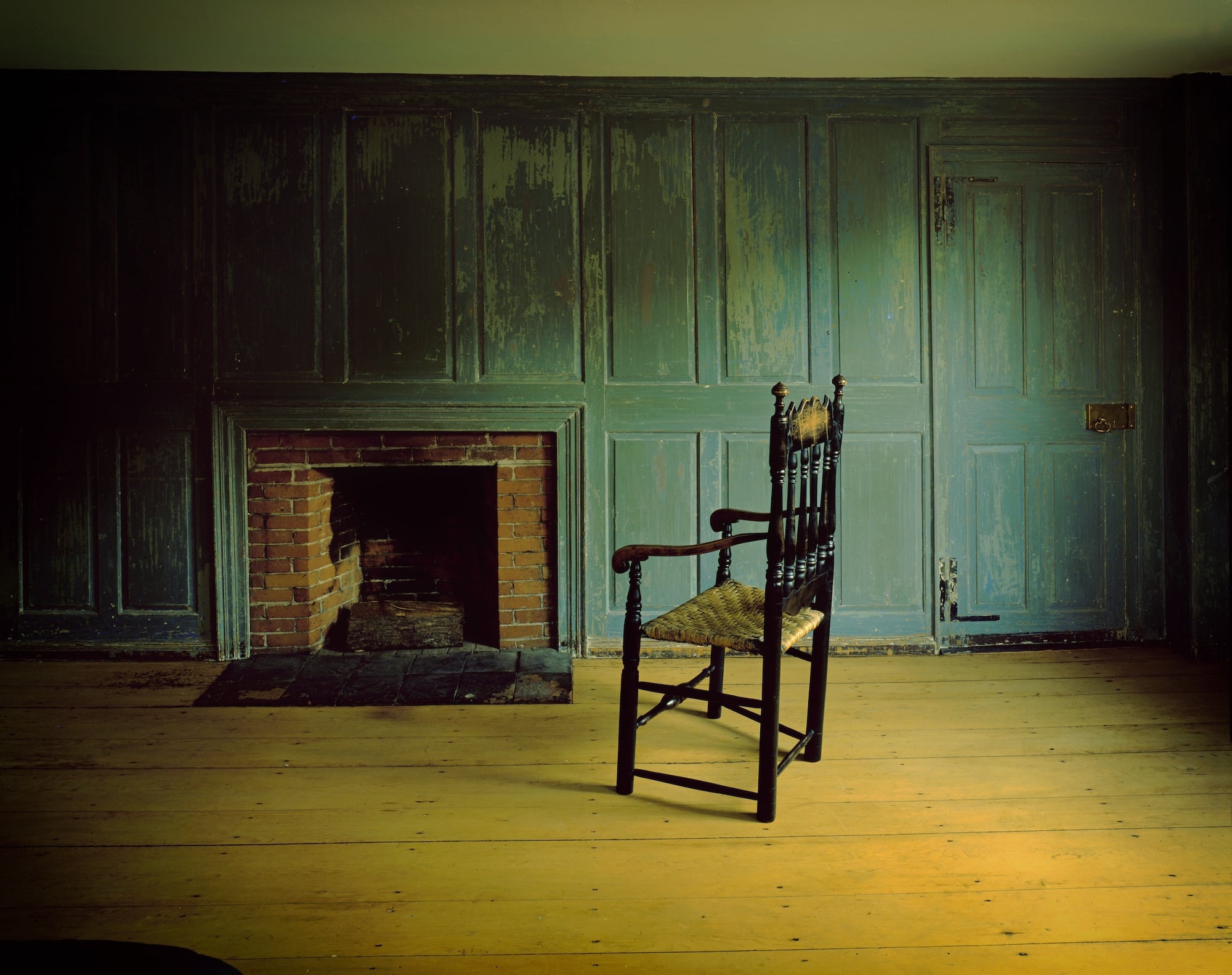
Because one day, the chair will be empty.
The phone number will stop ringing.
The house will become painfully quiet.
And you will realize that what you miss most are not the grand occasions, but the ordinary Tuesday afternoons you thought would last forever.
If your parents are still alive, there is still time.
Go sit beside them.
Listen longer.
Stay a little later.
Ask one more question.
Make one more memory.
One ordinary day, you’ll discover those were the moments that mattered most.