For centuries, cultures around the world have practiced smudging — the ritual burning of sacred herbs such as sage, cedar, sweetgrass, and lavender. Traditionally used for spiritual cleansing, healing, prayer, and purification, smudging has long been believed to clear away negative energy and restore harmony to a space.
Today, modern science is beginning to explore whether these ancient practices may also have measurable physical effects on the environment.
What Is Smudging?
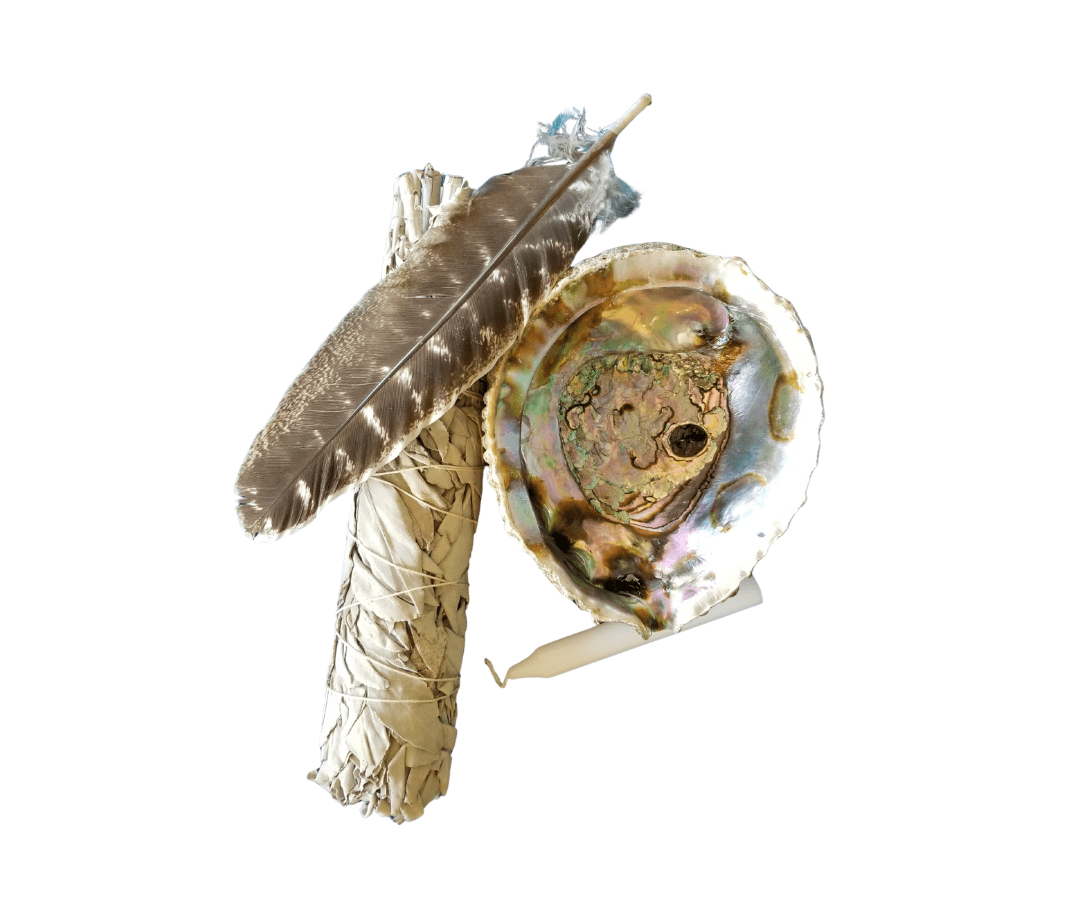
Smudging is typically performed by lighting a bundle of dried herbs, often called a smudge stick, and allowing the smoke to drift through a room, home, or ceremonial space. The smoke is gently guided with the hand or a feather while prayers, intentions, or blessings are spoken silently or aloud.
Among the most commonly used herbs is white sage, valued for its strong aroma and traditional purifying properties. Many people describe feeling calmer, clearer, or emotionally lighter after smudging.
But beyond the spiritual and emotional experience, researchers have asked an intriguing question:
Can medicinal smoke actually affect airborne bacteria?
What the Research Found
A scientific study published in the Journal of Ethnopharmacology in 2007 examined the effects of medicinal smoke on airborne bacteria in enclosed spaces. Researchers found that after one hour of exposure to medicinal herbal smoke, airborne bacterial counts were reduced by more than 94%. The antibacterial effect remained noticeable for up to 24 hours, and some harmful bacteria were absent for as long as 30 days afterward.
The study focused on smoke produced from a mixture of medicinal and aromatic herbs used in traditional Indian practices known as “havan samagri,” rather than sage alone. However, the findings sparked widespread interest in the possible antimicrobial effects of sacred smoke and herbal fumigation.
How Might Herbal Smoke Work?
Scientists believe the effects may come from naturally occurring plant compounds released into the air during burning. Herbs like sage contain volatile oils and bioactive compounds such as:
- Eucalyptol (1,8-cineole)
- Camphor
- Thujone
- Various terpenes and aromatic oils
These compounds are known to possess antimicrobial properties and may interact with bacterial cells in the air. When released through smoke, they may help inhibit or neutralize certain airborne microbes.
Many medicinal plants have evolved these compounds as natural defenses against bacteria, fungi, and insects in the environment.
Important Scientific Cautions
While the study’s findings are fascinating, scientists also urge caution in how the results are interpreted.
First, the research did not specifically test white sage by itself. It studied a complex blend of herbs and woods used in traditional Indian ceremonies.
Second, the study took place in controlled indoor conditions, and some critics have pointed out that more research is needed, including larger controlled studies comparing treated and untreated rooms.
It is also important to remember that smoke of any kind contains particulate matter, which can irritate the lungs, especially for people with asthma, respiratory conditions, allergies, or sensitivities.
Smudging should not be viewed as a replacement for medical sanitation, ventilation, or healthcare practices. Rather, it may be considered one possible complementary practice with both symbolic and potentially antimicrobial effects.
Ancient Traditions and Modern Curiosity
Long before laboratories existed, many ancient cultures believed certain plants possessed cleansing and healing qualities. Indigenous peoples throughout North America, as well as traditions in India, the Middle East, Africa, and Europe, used sacred smoke in rituals for purification, protection, and spiritual balance.
Modern science is now beginning to explore whether these ancient practices may have contained practical environmental benefits alongside their spiritual meaning.
Even if science cannot fully explain every aspect of smudging, many people continue the practice because of the sense of peace, mindfulness, and intention it creates.
More Than Smoke
Whether viewed spiritually, psychologically, or scientifically, smudging represents something deeper than simply burning herbs. It is an intentional act — a pause to clear the mind, reset the energy of a space, and reconnect with oneself.
The growing research into medicinal smoke reminds us that ancient traditions and modern science do not always stand in opposition. Sometimes, they meet in surprising ways.
And perhaps that is part of the enduring mystery of sage itself: a simple plant whose smoke has carried prayers, healing, and purification through human history for thousands of years.